For most homeowners, yes. A sewer camera inspection is worth it when you have repeat clogs or slow drains, when you’re buying an older home, or when trees and shifting soil may be working on your line. It shows exactly what’s going on inside the pipe, so you pay to fix the real problem instead of guessing. It may not be worth it for a newer home with no symptoms.
Here in Northeast Texas, the case is often stronger than in many places. Much of our area sits on clay soil that swells when it’s wet and shrinks when it’s dry, many homes in Bonham, Sherman, Paris and Denison have older pipes, and big oaks and pecans send roots looking for water. Below, the licensed plumbers at Underwood Plumbing & Septic explain what a camera inspection finds, when it pays off, and when you can skip it.
What a Sewer Camera Inspection Is (and What It Isn’t)
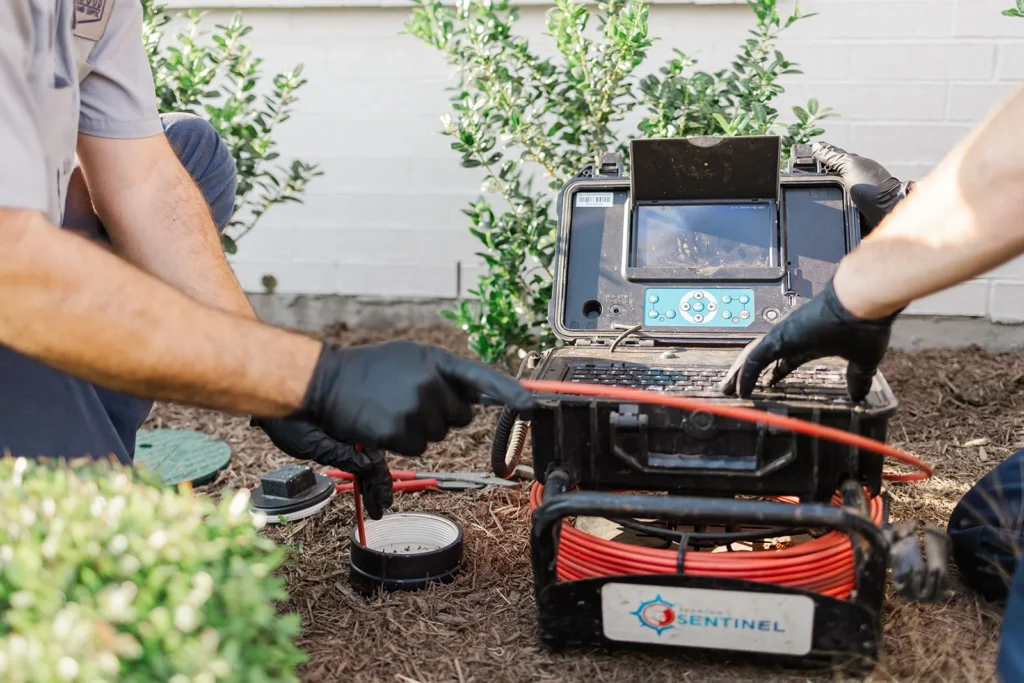
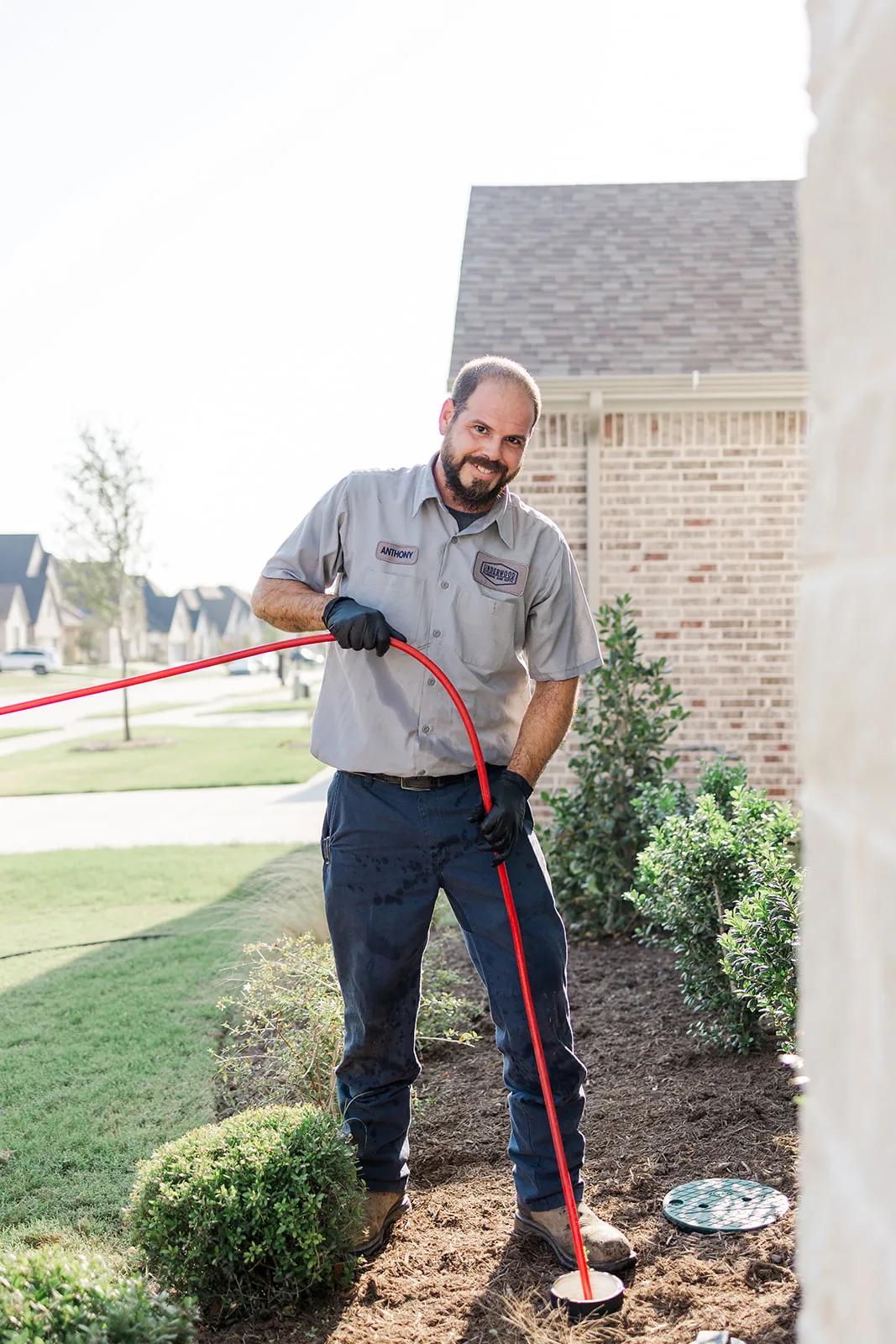
A sewer camera inspection is a look inside your main drain line without digging. A plumber feeds a waterproof camera on a flexible cable into the line, usually through an outdoor cleanout, and watches a live video feed as it travels toward the city main or your septic tank. Many sewer cameras also have a locator that lets the plumber mark the spot and depth of a problem from the yard above.
It’s a diagnostic tool, not a repair. The camera doesn’t clear a clog by itself. If the line is badly backed up, it may need to be cleared first so the camera can see. What you get is proof: a clear look at the pipe’s condition and what, if anything, needs to be fixed.
What the Camera Can Find
A camera inspection can spot problems you’d otherwise only guess at:
- Tree roots pushing through joints or cracks, often the cause of repeat clogs
- Cracks and broken sections that let wastewater leak into the soil
- Offset or separated joints, common when soil shifts around the pipe
- Bellies (sags), low spots where water and waste collect and slow the flow
- Grease, scale and debris buildup that narrows the pipe
- Collapsed or crushed pipe
- Aging pipe materials, such as cast iron that’s scaling and rusting from the inside, clay tile, or the fiber pipe (often called Orangeburg) that was used in some homes built in the mid-1900s
When a Sewer Camera Inspection Is Worth It
Before You Buy a Home
A standard home inspection usually doesn’t include the sewer line. If the house is 25 years old or more, has large trees in the yard, or has had any plumbing complaints, a camera inspection before closing can reveal a costly repair while you can still negotiate. If you’re buying in Fannin, Grayson, Collin, Hunt or Lamar County, ask us about scheduling one during your option period.
When Clogs Keep Coming Back
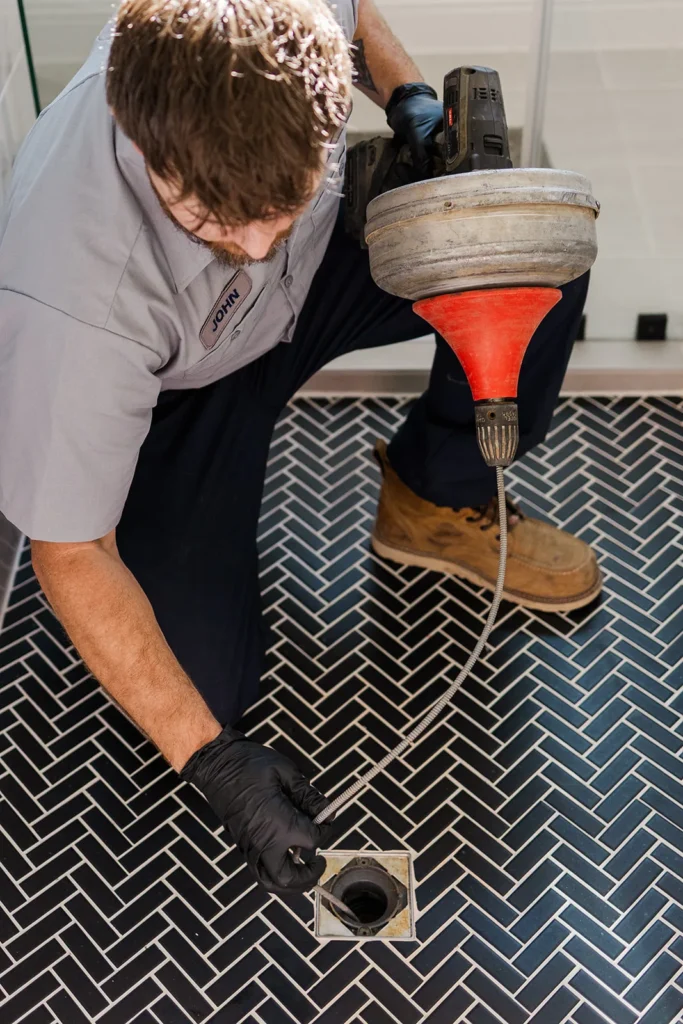
If you’ve had the same drain snaked more than once in a year, something is causing it. Roots, a belly or a broken section won’t go away with another cleaning. A camera shows the cause, so the next service call can fix the real problem. Learn more about our drain cleaning service.
Before and After Hydro Jetting
Hydro jetting uses high-pressure water to scour a line clean. A camera check beforehand confirms the pipe is sound enough for jetting, and a check afterward shows that the roots and buildup are really gone.
When You Have Big Trees Near the Line
Oaks, pecans, elms and willows have aggressive roots that find even small leaks at pipe joints. If a mature tree stands between your house and the street or septic tank, a camera inspection every few years can catch roots before they block the line.
After Foundation Movement or a Very Dry Summer
North Texas clay soil shrinks during drought and swells after heavy rain. That movement can shift joints, crack older pipes and create bellies. If you’ve had foundation repair, notice new cracks in walls or floors, or just came through a long dry spell, it’s a good time to check the sewer line too.
Before a Remodel or Addition
Adding a bathroom or kitchen sends more water through your main line. A quick camera inspection confirms the existing line can handle it before you finish new floors and walls.
When You Can Probably Skip It
A camera inspection isn’t needed every time a drain is slow. You can likely skip it if:
- Your home is less than about 10 years old and you haven’t had any drain problems
- You had a single clog with an obvious cause, such as a toy in the toilet or a grease clog in the kitchen sink, and it hasn’t come back
- Only one fixture drains slowly and the others are fine, which usually points to a local clog rather than the main line
If you aren’t sure, call us and describe what’s happening. We’ll tell you whether a camera inspection makes sense.
What Does a Sewer Camera Inspection Cost?
The price depends on how easy it is to reach the line (an accessible cleanout vs. pulling a toilet or going through a roof vent), how long the line is, and whether it needs to be cleared first. Call Underwood Plumbing & Septic at (903) 449-1677 for an exact quote for your home.
The better question is what it saves you. Digging up a yard or driveway to find a problem by trial and error, replacing a line that only needed a spot repair, or cleaning up after a sewage backup often costs far more than an inspection. Camera footage lets you repair only what’s broken, in the right place, the first time.
City Sewer or Septic: Does It Change Anything?
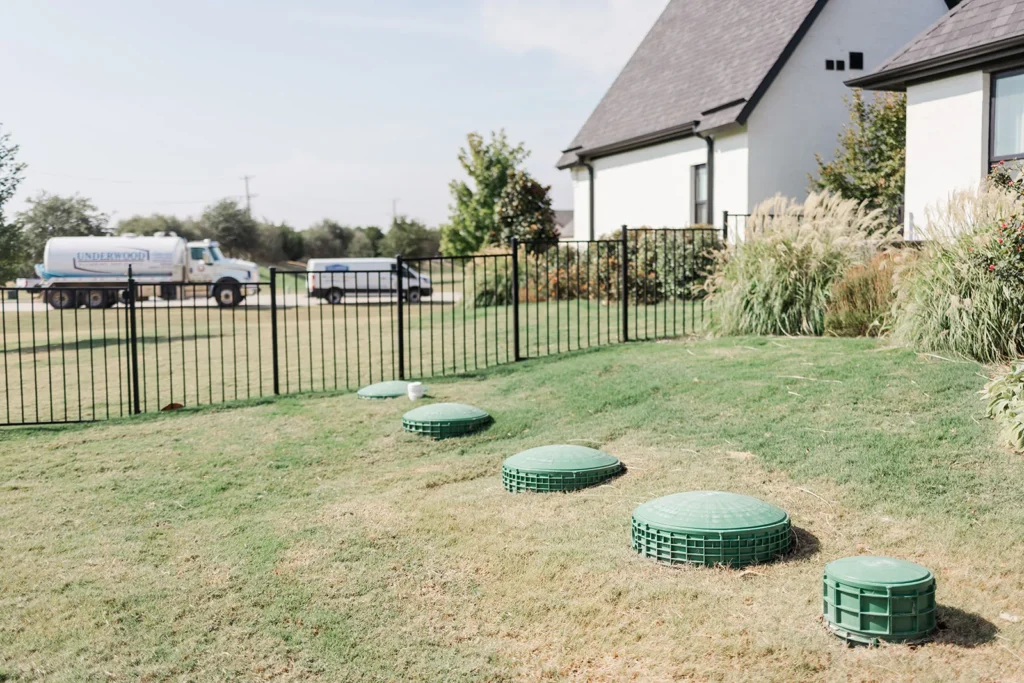
Many homes in our rural service areas, from Honey Grove to Wolfe City, use a septic system instead of a city sewer. A camera inspection still matters. The line between your house and the septic tank can crack, sag or fill with roots just like a city sewer line, and a blocked line can look like a full tank. The camera tells the two apart, so you don’t pay for pumping when the real problem is in the pipe.
If the line is clear and you’re still having backups, the tank, baffles or drain field may be the cause. The EPA recommends having a septic system inspected at least every three years, and our team handles septic repairs across Northeast Texas.
What Happens After the Inspection

When the inspection is done, your plumber walks you through the footage and explains what it shows. If the line is in good shape, you have peace of mind. If there’s a problem, you’ll get clear options, which may include:
- Drain cleaning or hydro jetting for buildup and roots
- A spot repair for a single cracked or separated section
- Line repair or replacement for a collapsed line or failing pipe material
You’ll see the problem with your own eyes before you decide on anything. Learn more about our sewer line inspection and repair service, or read our earlier guide to sewer line warning signs and repairs.
Sewer Camera Inspection FAQs
How Long Does a Sewer Camera Inspection Take?
For a typical home with an accessible cleanout, the inspection itself usually takes about an hour. It can take longer if the line needs to be cleared first or is hard to reach.
Can a Camera Inspection Damage My Pipes?
It’s very unlikely. The camera head and cable are made to travel through drain lines without harming them, and it’s one of the least invasive ways to check a sewer line.
Should I Get a Sewer Scope Before Buying a House in Texas?
It’s a smart step for most homes, especially older homes and homes with large trees. A standard home inspection rarely includes the sewer line, and a repair found after closing is yours to pay for.
How Often Should I Have My Sewer Line Inspected?
There’s no single rule. Homes with older pipes or big trees near the line benefit from a check every few years. Any home with repeat clogs or slow drains throughout the house should have one right away. Our Maintenance Membership includes a sewer camera inspection as part of its routine plumbing care.
Does the Line Have to Be Cleaned Before the Camera Goes In?
Not always. If water is standing in the line from a blockage, it may need to be cleared first so the camera can see. Your plumber will tell you on site.
Schedule a Sewer Camera Inspection in Northeast Texas
Don’t guess about what’s happening underground. Underwood Plumbing & Septic offers sewer camera inspections across Fannin, Grayson, Collin, Hunt and Lamar counties and Southern Oklahoma, with emergency service. Call (903) 449-1677 or book online to schedule an inspection with our licensed plumbers.
________________